
One thought-provoking aspect of the way this war is progressing is the way Ukraine’s constraints (relative poverty, lack of equipment, non-membership of NATO) are stimulating its technological creativity. This might have been predicted if we’d thought about it. After all, World War II drove advances in nuclear technology. The Cold War drove the Space Race.
Looking further back, one of the most likely answers to the Needham Question is that a divided Europe’s mini-states were constantly at war, which stimulated the technological advances that took the West past China. Had Europe been as united, complacent and dismissive of its “inferiors” as China became at the height of its civilisation, it might have been Asia that led the modern world.
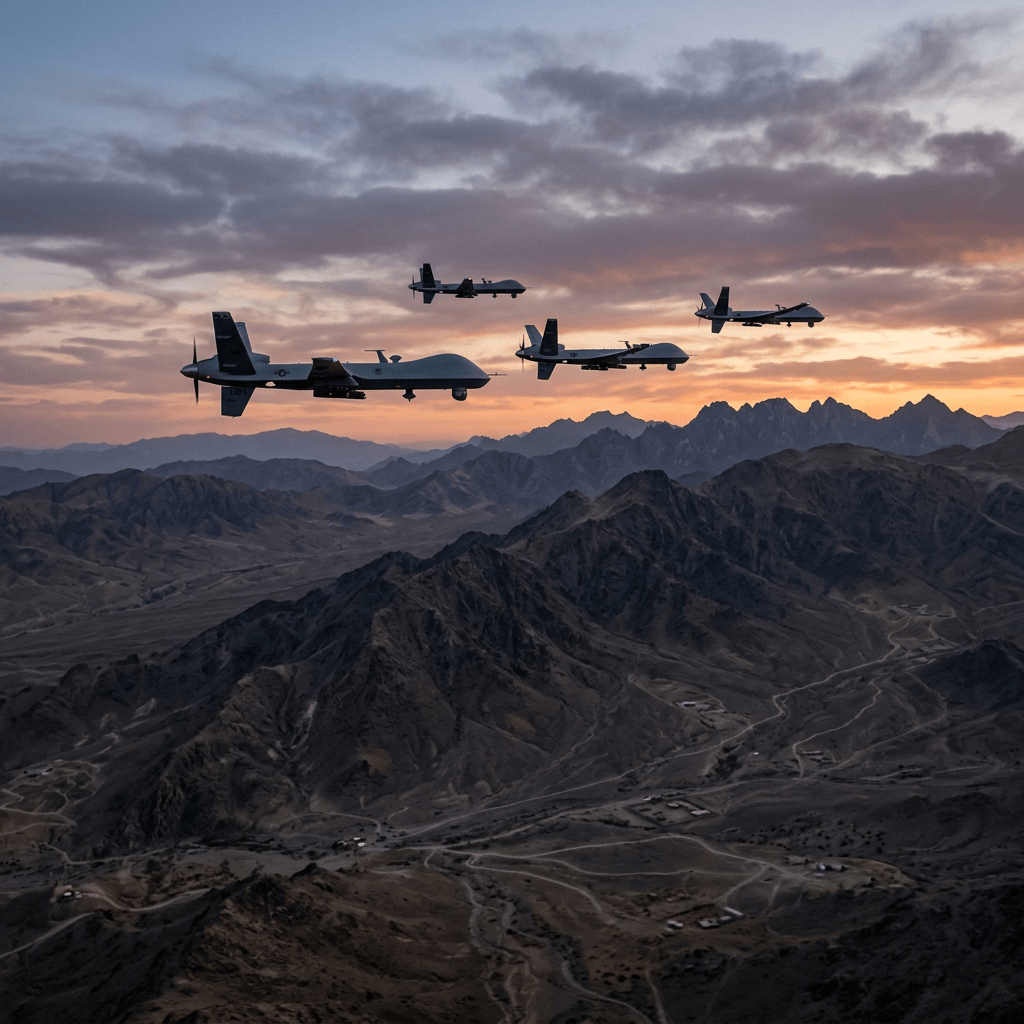
Ukraine is developing cheap modern weapons with a vastly superior cost-benefit ratio to the stuff made by our military-industrial complex. We began this war focussed on its problem in defending itself against Russia’s superior forces. We are now spending more time thinking about Russia’s difficulties in defending itself against what our defence contractors would have considered “Mickey Mouse” equipment.
This video which showed up in my news feed explains how Ukraine is successfully attacking mid-range targets inside Russia. It goes into tremendous detail, but one small example is the way in which they’re using Artificial Intelligence for targeting weaponised drones. Apparently, the remote operator has the opportunity both to confirm the AI’s proposed target and to guide the weapon in using the onboard cameras.
I was aware of this phenomenon but had not understood that it allows the weapon to be aimed from outside the range of Russia’s electronic counter-measures (ECM). Once the target is acquired, the electronic guidance that brought it to the target becomes irrelevant. The analogy is of a sniper who has used satellite navigation to get to his shooting position. Taking out the satellites once he’s in range doesn’t affect the bullets he fires. If the drones were in range when the target was acquired, ECM could disrupt the strike or perhaps even take control of their guidance to steer them to safety. Instead, the Russians are reduced to firing at them with shotguns.
I am of course delighted by anything that enhances Ukraine’s chances of winning. However, the wider implications for modern defensive warfare are troubling. The West’s defences are pretty much like Russia’s. Ignoring – as for most purposes we must – our nuclear deterrents, we shelter behind very similar defensive weaponry. Ukraine’s cheap gizmos (which can easily be replicated by our enemies) are making such equipment look pathetic.
Britain’s defences are so inadequate already – by traditional measures – that our defence minister just resigned in protest. How inadequate would they be against a rogue state or terrorist enemy using equipment like Ukraine’s?








Leave a Reply