
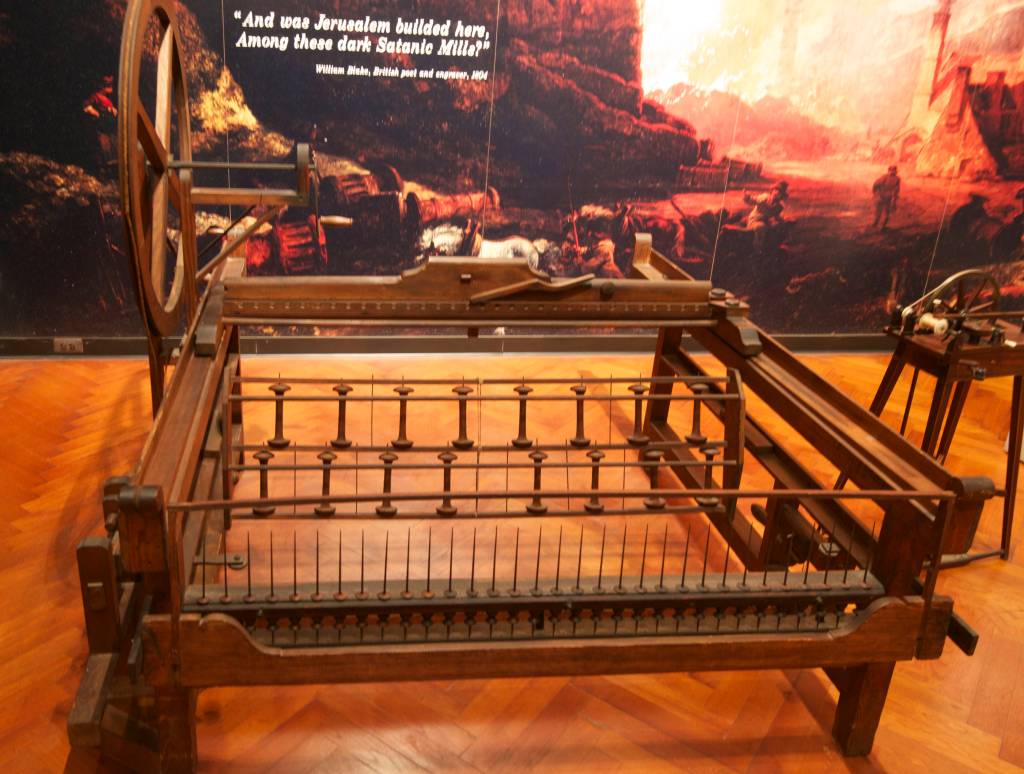
Spinning Jenny against a backdrop of satanic mills

Model T Ford at the Ford
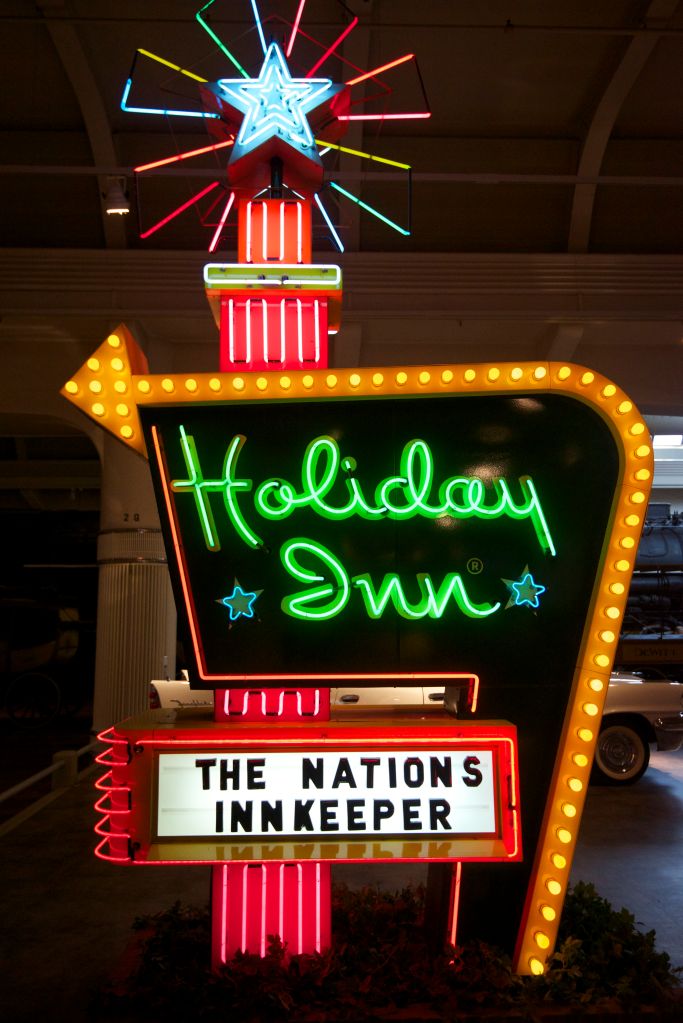
Roadside Americana at the Ford
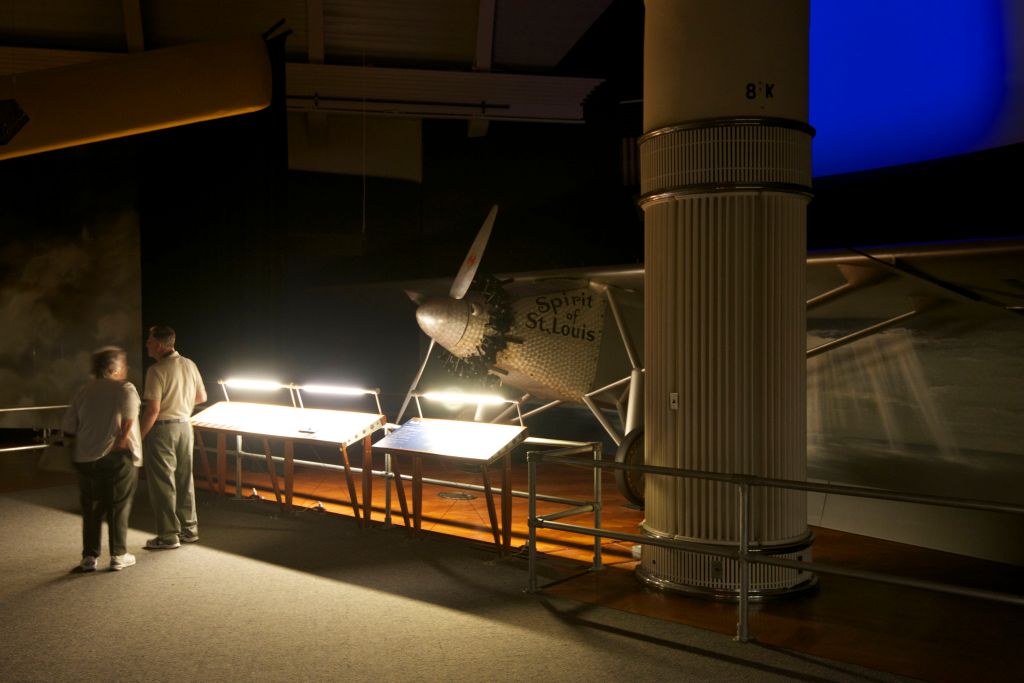
Lindbergh’s ride to Paris
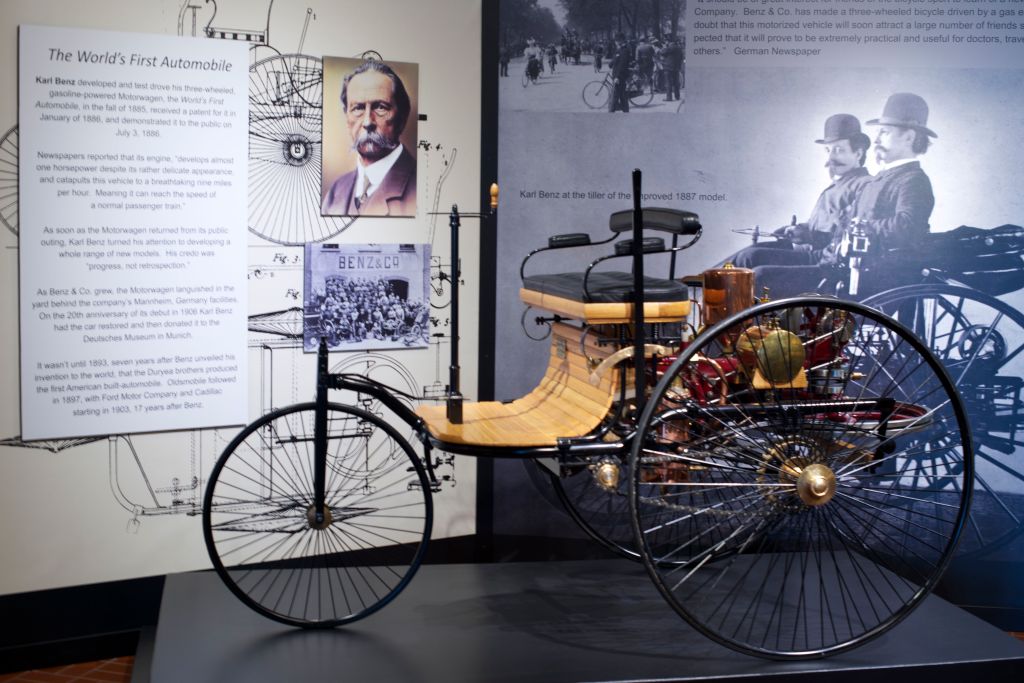
Mercedes Benz-built replica of the first car, bought for the Gilmore by one of its supporters
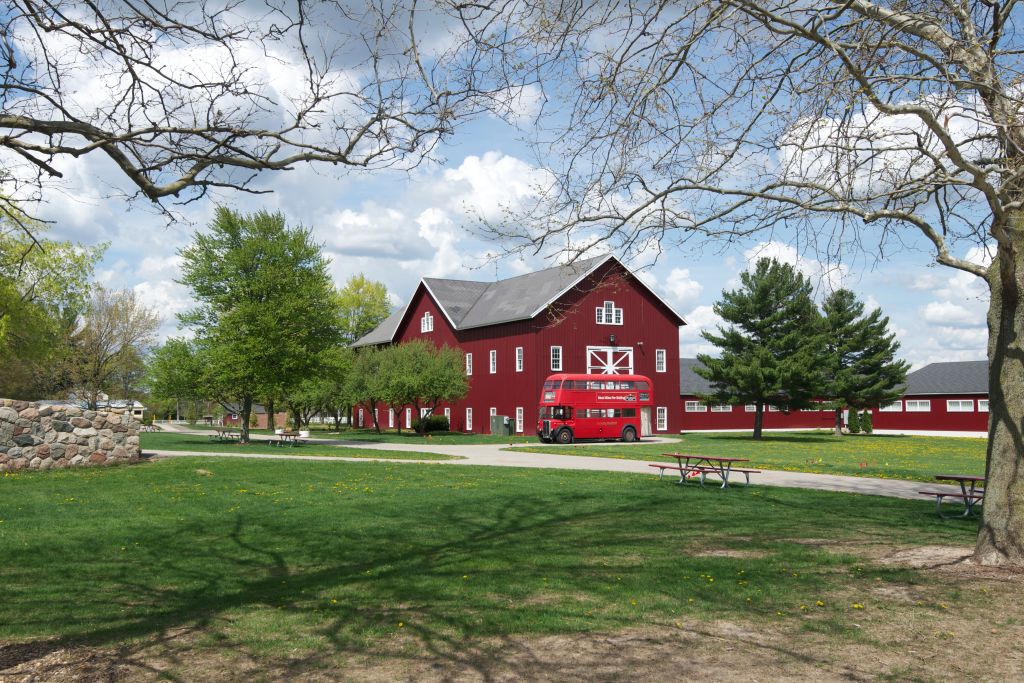
Was there ever a prettier museum? And yes, that is a Routemaster

Classic Car Club of America display
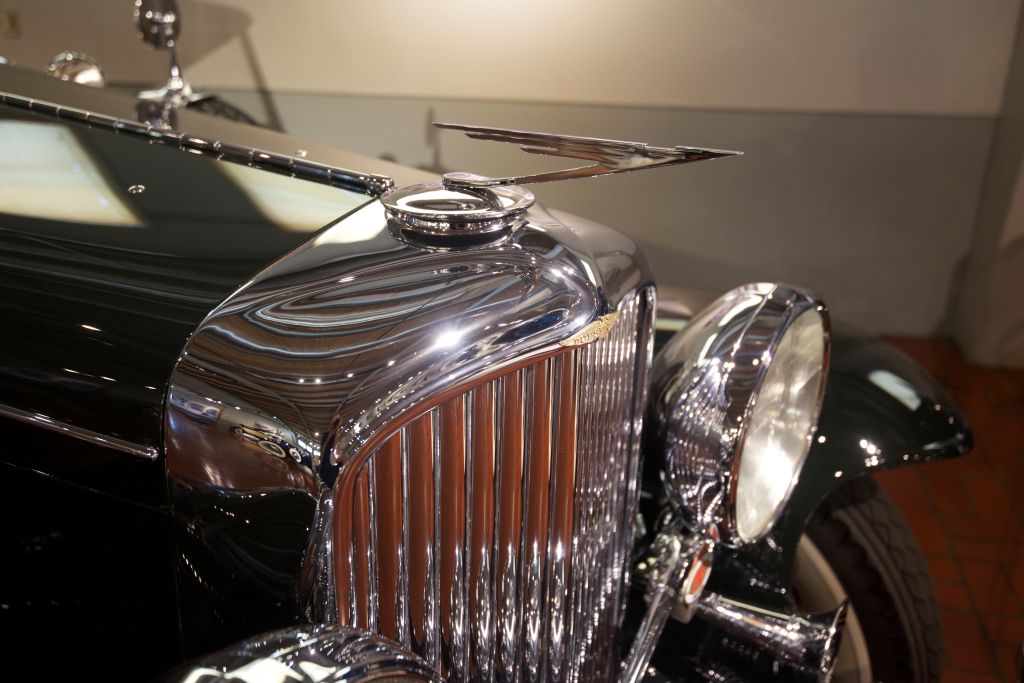
A real doozie
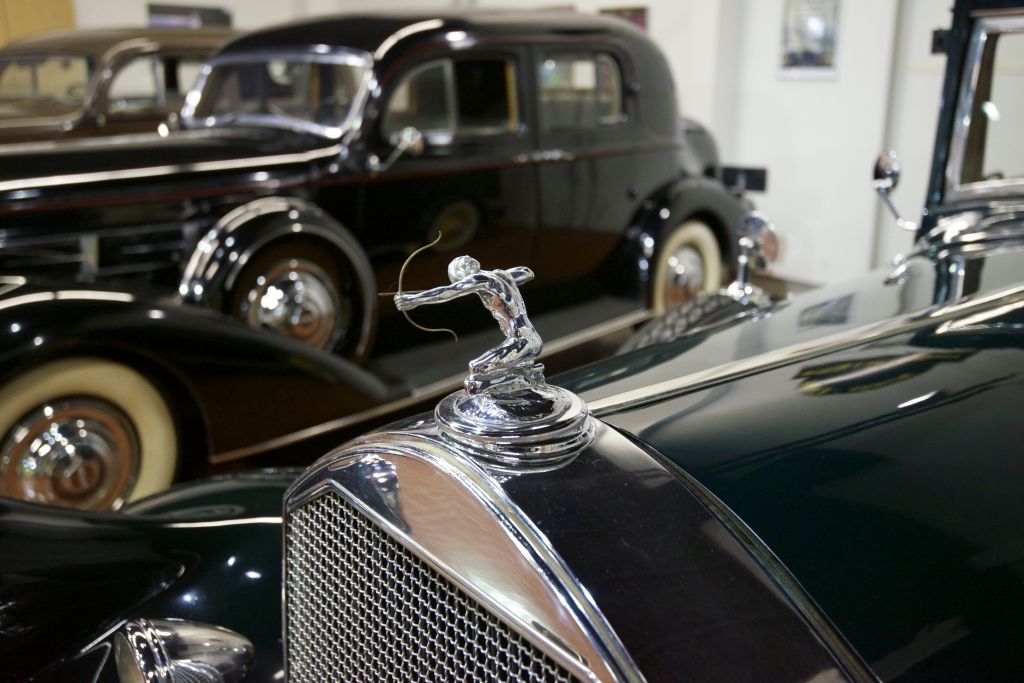
A rather literal mascot for the Pierce-Arrow

The Gilmore is setting up a display of custom cars and hot rods at present. This was the cutest, I thought
America did not invent the car but has embraced it with a passion that matches my own. An automobile goes where you want, when you want. It is the vessel for a man who is the captain of his soul. Americans have built roads across their vast continent-nation, together with all the roadside refreshment and lodging necessary for his voyages. No wonder it’s the land of the road trip.
No-one made all this possible more than Henry Ford. A German invented the car and other Europeans gave it character, personality and charm. But Ford put everyman (or almost every man) behind the wheel of a cheap and reliable vehicle. There could have been no modern America and perhaps no modern world without him.
His museum is a very grand institution, lavishly funded. It’s built on a larger-than-human scale, which I suspect reflects the man’s ego.
It’s full of cars, of course; many of them Fords. I couldn’t find an Edsel but – to the museum’s credit – there is one; hidden behind a speaker in a theatre somewhere, as befits the company’s most famous failure. There’s a lot else too. The museum sets out to document the industrial revolution that made Ford possible, the history of aviation and of the material side of the American way of life.
My personal highlight was to see a Spinning Jenny; an item that made the modern world. I learned about it in History at school, but – though several survive in English museums – I had never seen one before. I was so excited that I treated an elderly American couple to an impromptu lecture on its importance. They were, bless them, as polite as they were surprised.
My next destination, unknown to me until suggested by a friend yesterday, was the Gilmore Car Museum at Hickory Corners, MI. I had a mostly uneventful drive there along interstates and Michigan country roads. I encountered a second state trooper without triggering his siren (though he pulled out and followed me for a while out of what seemed to be idle curiosity). My only problem was the temporary failure (I think from overheating) of my nasty little Android pre-paid phone that I am using for satellite navigation.
The Gilmore is more than one museum. It originated with the 30-car collection of the eponymous Donald, built up from a 1920 Pierce-Arrow that his wife kindly gave him for his birthday in 1963. He bought various farm buildings to house them and his wife suggested they become a museum so others could enjoy his cars. They formed a non-profit foundation, which still owns the site. Eight historic barns – elegant structures, not very barn-like at all now house the collections and the foundation or its partners have added a reconstructed 1930’s Shell gas station, roadside diner and a mock-up Ford dealership. There are three miles of road on which a London double decker bus can sometimes be seen running.
I used to be the membership secretary of a classic car club and judged its Vintage section concours d’elegance on several occasions. For all that my contestants restored, polished and preened their cars, I have never seen any better-presented than those at Gilmore. The standard of detailing is incredible, as I took pleasure in telling the gentleman in charge of it. This despite the fact that – unlike the cars at the Henry Ford and most other car museums – those at the Gilmore are not roped off and the windows are left open so that you can look inside.
I have never been an enthusiast of American cars (except muscle cars of course). I prefer the exuberant vigour of the Italian approach to automotive design or even the relentless, joyless, engineering of the Germans. Yet, though I delighted to see a splendid MG TD (a car I love and the only reason I have ever wished myself shorter) and a Jaguar, most of the afternoon’s enjoyment came from the Americana on display; especially the Cords and Duesenbergs (many more of which I shall see tomorrow).
The Gilmore collection is now accompanied, in the other barns, by the Pierce-Arrow Foundation museum, a collection of Franklins housed in a replica period LA car showroom, a comprehensive selection of Ford Model A’s, Lincolns, Cadillacs and LaSalles, and the collection my friend actually sent me to see – that of the Classic Car Club of America, of which he is a member.
There is also a splendid little collection of automotive badges and mascots. They lacked a Wolseley badge, however, the only official car emblem (I think) ever to have been illuminated from within. I plan to buy them one when I get back to England.
I regretted not setting aside more time for this visit, but I have to crack on to Chicago tomorrow where I am staying with some friends and meeting some others. I may have a companion for the Great River Road section of the trip after that, as a Canadian friend is flying in from Europe to hire an American muscle car to keep Speranza company.
Today will involve a morning visit to the Auburn Cord Duesenberg museum, followed by a leisurely drive to the Windy City.







 The Last Ditch by Tom Paine
Leave a comment